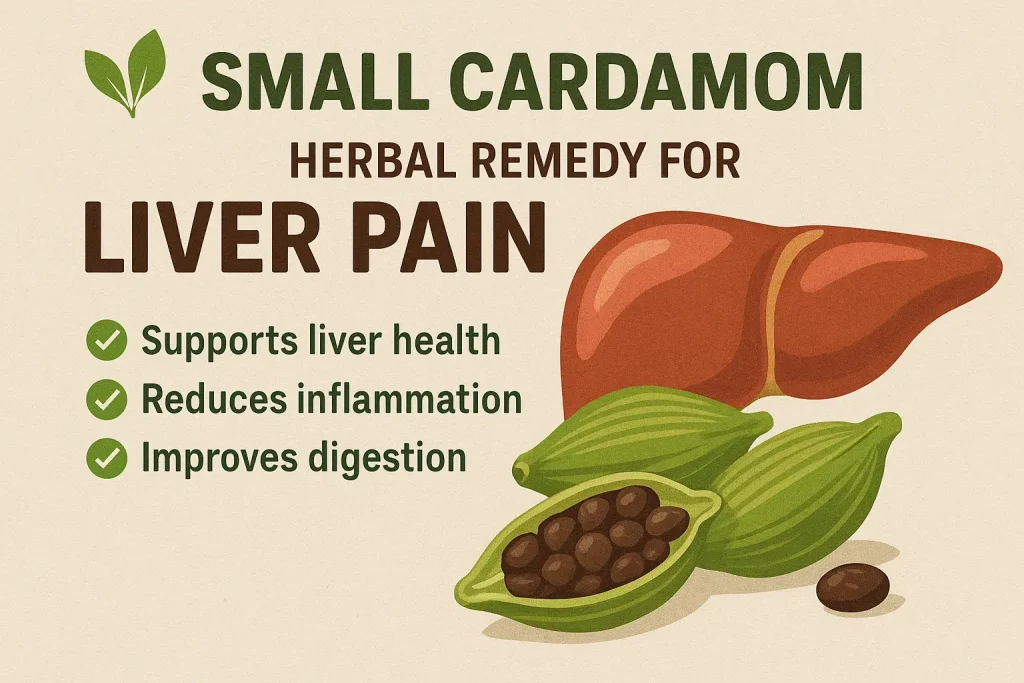
Small cardamom — also known as green cardamom or Elettaria cardamomum — is one of nature’s most aromatic and healing spices. While it’s best known for its refreshing fragrance and culinary value, this tiny pod also carries remarkable medicinal benefits. Traditional systems of medicine such as Ayurveda, Unani, and Siddha have long praised cardamom for its ability to support liver health, ease liver pain, and improve digestion.
Understanding Liver Pain and Its Common Causes
Before diving into the benefits of small cardamom, it helps to understand what liver pain really means.
The liver is the largest internal organ in your body, responsible for detoxifying blood, processing nutrients, and regulating metabolism. When something goes wrong — such as inflammation, fatty liver, infection, or toxin overload — you might feel discomfort in the upper right side of your abdomen.
Common Causes of Liver Pain
| Cause | Description |
|---|---|
| Fatty Liver Disease | Excess fat buildup in liver cells (common in obesity or heavy alcohol use). |
| Hepatitis (A, B, C, etc.) | Viral infections that inflame the liver. |
| Liver Cirrhosis | Scarring of liver tissue due to chronic damage. |
| Gallstones | Can cause pressure and pain near the liver. |
| Toxin Overload | Excess alcohol, medications, or chemicals can strain liver function. |
Liver pain is a warning sign that your liver cells are under stress, and it’s vital to support your liver naturally — one way being herbal remedies like small cardamom.
What Is Small Cardamom?
Small cardamom (Elettaria cardamomum) belongs to the ginger family (Zingiberaceae). It is native to South India and Sri Lanka but is now grown in many tropical regions. The pods are small, green, and filled with black seeds that give off a sweet, floral, and slightly spicy aroma.
Key Nutrients in Cardamom
Cardamom pods are rich in natural phytochemicals and essential oils, including:
- Cineole (Eucalyptol) – known for its anti-inflammatory and detoxifying properties.
- Limonene – supports bile flow and liver detox.
- Terpinene and Sabinene – act as antioxidants and antimicrobial agents.
- Flavonoids – reduce oxidative stress.
- Minerals – like magnesium, iron, and manganese that help metabolic processes.
How Small Cardamom Helps Relieve Liver Pain
Cardamom’s healing properties come from its ability to detoxify, reduce inflammation, and enhance bile flow, all of which contribute to liver protection. Let’s look at how it supports liver health step by step.
1. Natural Liver Detoxifier
Cardamom helps the liver flush out toxins and improves the efficiency of the body’s natural detoxification process. Its essential oils promote the production of enzymes that break down harmful substances, making it easier for the liver to eliminate them.
Traditional use: In Ayurveda, cardamom is included in “deepana” and “pachana” herbs — those that kindle digestion and metabolism, thereby easing the liver’s workload.
2. Reduces Liver Inflammation
Inflammation is one of the main reasons for liver pain. Studies have shown that cardamom extract reduces inflammation markers in the body, helping ease discomfort caused by conditions like fatty liver and hepatitis.
The compound 1,8-cineole acts as a natural anti-inflammatory, calming irritated liver tissues and improving their function.
3. Improves Bile Flow and Digestion
Cardamom stimulates the liver and gallbladder to release bile, which is necessary for digesting fats and absorbing fat-soluble vitamins (A, D, E, and K). Improved bile flow reduces the burden on the liver and can help relieve bloating, heaviness, and right-side abdominal pain.
4. Antioxidant Powerhouse
Oxidative stress is one of the main reasons for liver cell damage. The antioxidants in cardamom — especially flavonoids and phenolic acids — neutralise harmful free radicals, protecting liver cells from degeneration.
Scientific note: Animal studies show that regular consumption of cardamom extract can lower liver enzyme levels (ALT and AST), indicating improved liver function.
5. Supports Fat Metabolism
Cardamom helps regulate lipid metabolism, reducing the accumulation of fat in the liver. This makes it particularly beneficial for people suffering from non-alcoholic fatty liver disease (NAFLD).
6. Reduces Liver Enzyme Imbalance
When your liver is under stress, enzyme levels such as ALT, AST, and ALP rise. Cardamom helps restore balance by reducing these enzyme levels naturally, supporting overall liver recovery.
Other Health Benefits of Small Cardamom
While liver health is one of its major benefits, small cardamom offers a wide range of other therapeutic properties:
| Benefit | Description |
|---|---|
| Digestive Aid | Relieves gas, bloating, and acidity. |
| Antioxidant | Fights free radicals and slows ageing. |
| Heart Health | Helps lower cholesterol and blood pressure. |
| Respiratory Support | Acts as a mild expectorant in coughs and colds. |
| Mood Enhancer | The aroma helps reduce stress and anxiety. |
| Oral Health | Natural breath freshener with antibacterial action. |
How to Use Small Cardamom for Liver Health
There are several safe and easy ways to include cardamom in your diet. The key is moderation — a little goes a long way.
1. Cardamom Water (Morning Detox Drink)
- Crush 2–3 green cardamom pods and soak them overnight in a glass of water.
- Drink the water on an empty stomach in the morning.
This helps kick-start your metabolism and supports liver detox.
2. Cardamom Herbal Tea
- Boil 1 cup of water with 2 crushed cardamom pods.
- Add a pinch of turmeric and a few mint leaves.
- Strain and sip warm, preferably after meals.
This tea supports digestion and reduces liver strain.
3. Cardamom and Honey Mix
- Mix ½ teaspoon of cardamom powder with 1 teaspoon of honey.
- Take this mixture once daily after breakfast for a week.
This blend combines antioxidant and anti-inflammatory benefits.
4. Cardamom Milk (Night Drink)
- Warm a cup of milk and add ¼ teaspoon cardamom powder.
- Optional: add a small pinch of turmeric.
This soothes the digestive system and promotes liver repair overnight.
Recommended Dosage
For general liver health:
- Cardamom powder: 250–500 mg twice a day (approx. ⅛ teaspoon).
- Cardamom tea: 1–2 cups daily.
- Whole pods: 2–3 pods per day, used in meals or beverages.
Always consult your healthcare provider before using cardamom as a therapeutic supplement, especially if you have chronic liver disease or take prescription medications.
Precautions and Possible Side Effects
Cardamom is generally safe when used in moderate quantities. However, some individuals may need caution:
| Condition | Advice |
|---|---|
| Gallstones | Cardamom may trigger pain due to increased bile flow. Use only under medical advice. |
| Pregnancy or Breastfeeding | Use as a spice, but avoid concentrated supplements. |
| Allergy | Rare, but watch for itching, rash, or swelling. |
| Drug Interactions | May enhance the effect of anticoagulants or antiplatelet drugs. |
When to See a Doctor
Herbal remedies can complement treatment, but they do not replace medical care. See your doctor if you experience:
- Persistent or severe pain in the upper right abdomen
- Yellowing of skin or eyes (jaundice)
- Dark urine or pale stools
- Nausea, vomiting, or fatigue
These could be signs of a serious liver condition that needs medical evaluation.
Scientific Evidence Supporting Cardamom’s Liver Benefits
Several research studies have highlighted cardamom’s potential in supporting liver health:
- Journal of Medicinal Food (2014): Cardamom extract significantly reduced liver enzyme levels and improved antioxidant status in experimental models.
- Pharmacognosy Research (2018): Demonstrated protective effects of cardamom against ethanol-induced liver damage.
- Ayurvedic Pharmacology Texts: Describe cardamom as “Hridaya” (heart tonic) and “Yakrit-Uttam” (liver-supportive herb).
These findings reinforce what traditional healers have long known — that cardamom is a gentle yet effective liver tonic.
Holistic Liver Care Tips Alongside Cardamom
To maximise results, combine cardamom use with liver-friendly lifestyle habits:
| Lifestyle Habit | Benefit |
|---|---|
| Eat light, low-fat meals | Reduces liver workload. |
| Stay hydrated | Helps flush out toxins. |
| Limit alcohol and processed foods | Prevents liver inflammation. |
| Exercise regularly | Supports fat metabolism. |
| Add other herbs like turmeric, milk thistle, or ginger | Strengthen liver function. |
The Bottom Line
Small cardamom is more than a fragrant spice — it’s a natural liver protector that aids detoxification, reduces inflammation, and promotes digestive harmony. Whether enjoyed as tea, spice, or in traditional home remedies, this tiny pod offers big health benefits.
However, like all herbal medicines, it works best as part of a healthy lifestyle and should never replace professional medical care. When used wisely, small cardamom can help your liver heal naturally and restore your body’s inner balance.

Manish Sharma established RxQuora in 2022 with the vision of making quality health information available to anyone, anywhere.
From its inception, Rxquora has been focused on creating easy-to-understand, reliable, and evidence-based content written and reviewed by healthcare professionals. Within a short span of time, it has become a respected platform for digital health information in English, attracting readers from India and beyond.