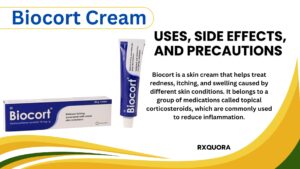
Biocort is a skin cream that helps treat redness, itching, and swelling caused by different skin conditions. It belongs to a group of medications called topical corticosteroids, which are commonly used to reduce inflammation. The active ingredient, hydrocortisone acetate, works by calming the body’s immune response to irritation.
Biocort is designed to manage various skin issues that involve inflammation and irritation. It works by reducing the substances in the body that cause swelling and discomfort. Since it’s a corticosteroid, it should be used only as directed by a doctor to ensure safe and effective results.
Uses of Biocort
Biocort is primarily used to manage corticosteroid-responsive dermatoses, including but not limited to:
- Eczema: A chronic inflammatory skin condition that leads to itching, redness, and scaling.
- Psoriasis: An autoimmune skin disorder that causes red, scaly patches, often affecting the scalp, elbows, and knees.
- Contact Dermatitis: Skin irritation caused by contact with allergens or irritants such as chemicals, soaps, and metals.
- Atopic Dermatitis: A form of eczema commonly found in children but also present in adults.
- Seborrheic Dermatitis: A condition that affects oily skin areas, leading to redness and flaking, often seen on the scalp.
- Allergic Skin Reactions: Biocort helps relieve allergic rashes caused by environmental factors, food allergies, or insect bites.
- Lichen Planus: A condition characterized by itchy, purplish flat-topped bumps on the skin.
- Pruritus (Itchy Skin Conditions): Used for soothing various itch-related conditions.
- Inflammatory Skin Conditions Responsive to Corticosteroids: Conditions that benefit from the anti-inflammatory effects of hydrocortisone.
Available Strengths and Packaging
Biocort is available in different sizes, making it suitable for short-term and long-term use. The available packaging options include:
- Cream: 20 g, 25 g, and 500 g
Scheduling Status and Registration
- Scheduling Status: S2 (Schedule 2 medication)
- Registration Number: G2022 (Act 101/1965)
Mechanism of Action
Biocort works by inhibiting inflammatory mediators such as prostaglandins and leukotrienes. It reduces swelling, redness, and discomfort associated with inflammatory skin conditions. Hydrocortisone acetate is a mild corticosteroid compared to other stronger variants, making it suitable for sensitive skin areas and conditions requiring milder treatment.
Dosage and How to Use Biocort
- Step 1: Thoroughly clean the affected area before application.
- Step 2: Apply a thin layer of Biocort cream to the affected area.
- Step 3: Gently rub the cream into the skin until it is absorbed.
- Step 4: Use the cream as directed by a healthcare professional.
- Step 5: Avoid excessive or prolonged use to prevent potential side effects.
What Biocort Contains
Each 1 g of Biocort cream contains:
- Active Ingredient: 10 mg hydrocortisone acetate.
- Other Ingredients: Chlorocresol, emulsifying wax, liquid paraffin, purified water, white soft paraffin.
Therapeutic Classification
- Dermatological Preparations: Corticosteroids with or without anti-infective agents.
Possible Side Effects
Although Biocort is generally well-tolerated, some users may experience mild to severe side effects. These can include:
Using BIOCORT cream for a long time or in large amounts may cause side effects, especially in sensitive areas like the face, eyelids, underarms, groin, and private areas. Below are the possible effects you should be aware of:
1. Skin Changes
- The skin may become thin and fragile, making it more prone to injuries.
- Loss of elasticity can make the skin feel loose or wrinkled.
- Stretch marks (striae) may develop, especially in areas where the skin stretches.
- Visible blood vessels (spider veins/telangiectasia) and bruising (ecchymoses) may appear.
- Mild skin lightening (depigmentation) may occur.
2. Skin Reactions
- Some people may experience acne or pimples at the area where the cream is applied.
- Allergic reactions can occur, leading to redness, itching, or rashes.
3. Absorption Into the Body
If the cream is applied to large areas, damaged skin, or covered with bandages, it can be absorbed into the body, leading to:
- Hormonal imbalances, affecting the body’s natural steroid production.
- Suppression of the adrenal glands, which may cause fatigue, weakness, or low blood pressure.
- Growth delays in children, as they absorb more of the medication than adults.
- Rare cases of increased pressure inside the skull (benign intracranial hypertension), which may cause headaches, nausea, or vision problems.
- Cushing’s syndrome (very rare), which can cause weight gain, a round face, and skin changes due to excessive steroid absorption.
4. Special Precautions for Babies & Children
- Babies and children absorb more of the cream through their skin.
- This can slow down their growth and development if used for too long.
- Avoid using tight-fitting nappies or plastic pants, as they act like a sealed bandage and increase absorption.
What Should You Do?
- Use the cream as directed by your doctor. Do not apply more than recommended.
- Avoid long-term use, especially on sensitive areas like the face.
- Do not cover the treated area with tight clothing or bandages unless advised.
- Monitor for any unusual changes in your skin or overall health.
- If you notice any serious side effects, stop using the cream and consult a doctor immediately.
If you have any concerns, always check with your healthcare provider.
- If severe reactions occur, such as worsening of the skin condition or allergic reactions, discontinue use and seek medical attention immediately.
Precautions and Warnings
- Avoid Contact with Eyes, Nose, and Mouth: If accidental contact occurs, rinse thoroughly with water.
- Do Not Use on Broken, Infected, or Ulcerated Skin: Unless directed by a doctor.
- Not for Prolonged Use on Large Skin Areas: Prolonged use may lead to skin thinning or systemic absorption.
- Children and Facial Application: Consult a doctor before using Biocort on children or sensitive areas such as the face.
- Allergic Reactions: Do not use if you have known allergies to hydrocortisone or any of its ingredients.
- Pregnancy and Breastfeeding: Consult a healthcare provider before using Biocort during pregnancy or while breastfeeding.
- Underlying Medical Conditions: Individuals with diabetes, immune disorders, or skin infections should use Biocort with caution.
Interactions with Other Medications
Biocort may interact with other medications or treatments. Inform your doctor if you are using:
- Other corticosteroid medications
- Immunosuppressive drugs
- Antifungal or antibacterial skin treatments
- Skin-lightening or cosmetic treatments
Storage Instructions
- Store Biocort at room temperature.
- Keep out of reach of children.
- Avoid exposure to direct sunlight and moisture.
- Do not use beyond the expiry date mentioned on the packaging.
When to Seek Medical Advice
- If symptoms persist or worsen after using Biocort.
- If signs of skin infection (such as pus, increased redness, or swelling) develop.
- If you experience any severe or unusual side effects.
- If using Biocort for a prolonged period without noticeable improvement.
Alternatives to Biocort
If Biocort is not suitable for you, alternative treatments may include:
- Weaker Corticosteroids: Such as hydrocortisone 0.5% or mild non-steroidal creams.
- Stronger Corticosteroids: Such as betamethasone or clobetasol (only when prescribed for severe conditions).
- Non-Steroidal Anti-Inflammatory Creams: Such as calcineurin inhibitors (e.g., tacrolimus, pimecrolimus).
- Moisturizers and Emollients: Used for eczema and dry skin conditions to reduce dependence on steroids.
Conclusion
Biocort is an effective corticosteroid cream for treating inflammatory skin conditions. While generally safe, it should be used with caution, following the prescribed dosage and duration. Overuse or misuse can lead to side effects, so it is essential to follow medical advice. If you have any concerns or experience adverse effects, consult your healthcare provider for further guidance.